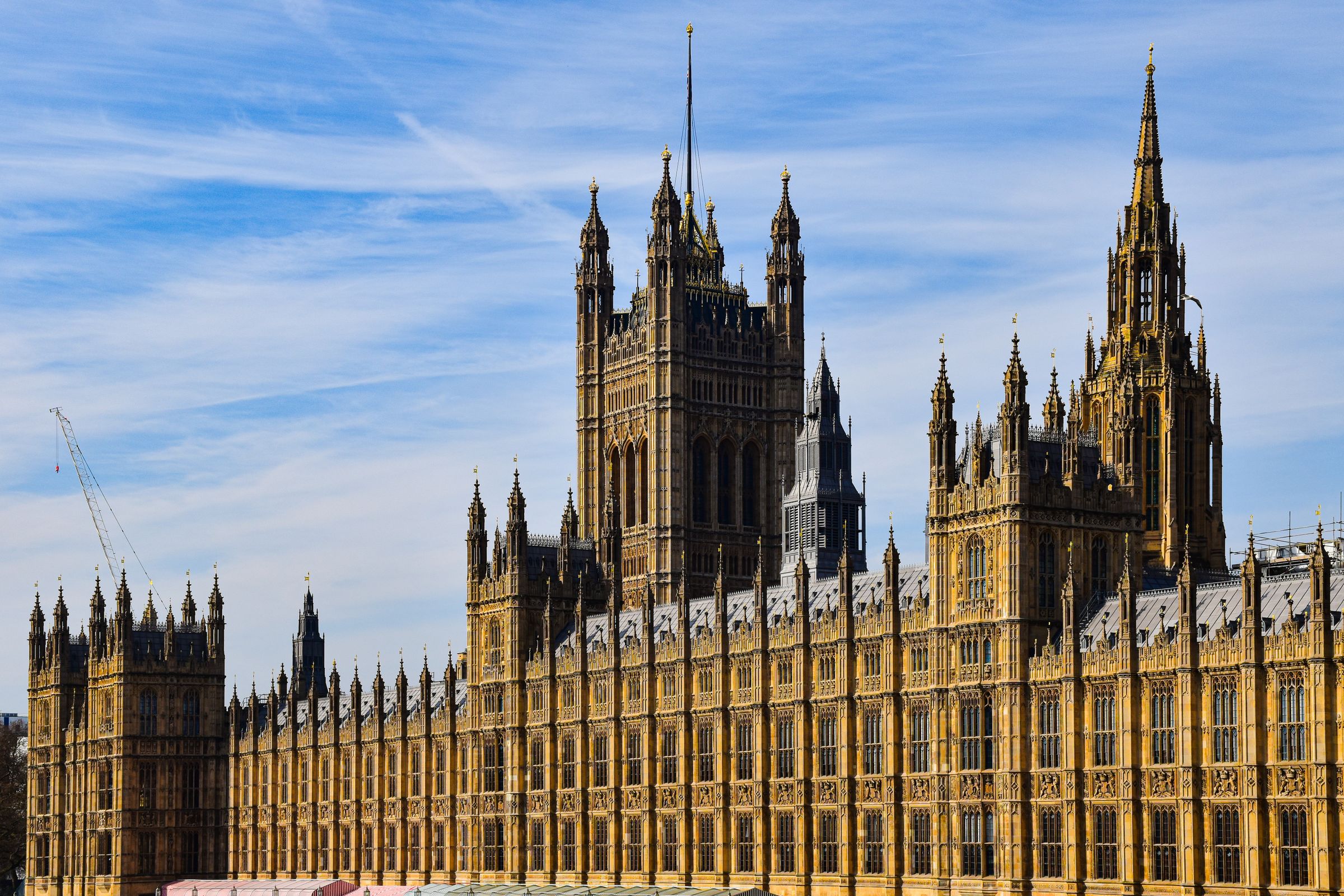
Parliament weighs case for compulsory voting law
Analyst says National Assembly lawmakers could mandate voter participation
Parliament, not the electorate alone, may hold the key to fixing South Africa’s chronically low turnout, according to political analyst Vusi Gumbi, who argues that lawmakers in the National Assembly could go as far as legislating compulsory voting to force participation upward.
The numbers behind his argument are stark. Of the roughly 42 million South Africans eligible to vote, just over 29 million have registered. In last week’s municipal polls, about 14.3 million of the 29.2 million registered voters stayed away, leaving national turnout at 52%. That marks an improvement of 6.1 percentage points over the 45.9% recorded in the 2021 local government elections. The participation gap remains wide all the same.
Gumbi frames the remedy as a question of political will inside the institution that writes electoral law. “There’s nothing stopping us from going to Parliament and making it mandatory for everyone who is maybe 18 and above to go and vote, right?” he said. “However, it depends on whether or not our elected representatives in the National Assembly have the political appetite to make it happen.”
Compulsion, he cautions, guarantees no particular outcome. “Remember, again, if you make voting mandatory, there is no guarantee that you know how people are going to vote,” he said. He pointed to the youth of the country’s democratic system, now 32 years old, and suggested that mandatory voting in a democracy of that age may promote what he called the fluidity of the South African voter. The 2026 local government elections, he added, demonstrated that citizens are unwilling to give blind loyalty to one political party, raising further questions about what mandatory voting would produce.
Commentators have located the roots of voter apathy elsewhere: in a disconnect between voters and politicians, and in what they describe as democratic backsliding, a phenomenon that refers to why citizens support, enable, or fail to stop the gradual erosion of democratic norms and institutions by elected leaders.
For Gumbi, the stakes extend well beyond turnout statistics. “That’s the unfortunate thing about democracy. Even if it was two million people who showed up at the polls, it means that those people get to decide the fate of over 60 million people in the population,” he said. “And that’s, I think, what is very important to emphasise: the ballot is the best form of protest. The ballot is the best form of affirmation.”
He also urged citizens to treat accountability as something that occupies the entire span between elections, not only polling day. “Understanding that it also does not start and end with the ballot, what are some of the mechanisms in between ballots that resident citizens have at their disposal to hold elected leaders accountable?” he asked.
Whether Parliament takes up the idea of compulsory voting remains, on Gumbi’s own account, an open question resting with the elected representatives of the National Assembly themselves.
Report by Busi Chimombe.
Q&A
Who could legislate compulsory voting in South Africa, according to Vusi Gumbi?
Political analyst Vusi Gumbi argues that lawmakers in the National Assembly, the institution that writes electoral law, could legislate compulsory voting for everyone aged 18 and above, depending on whether elected representatives have the political appetite to do so.
What were the turnout figures in the recent municipal polls?
Of roughly 42 million eligible South Africans, just over 29 million are registered. About 14.3 million of the 29.2 million registered voters stayed away in the municipal polls, leaving turnout at 52%, up 6.1 percentage points from 45.9% in 2021.
Why does Gumbi say compulsory voting guarantees no particular outcome?
He cautions that mandatory voting guarantees no particular outcome, noting the democracy is only 32 years old and that the 2026 local government elections showed citizens are unwilling to give blind loyalty to one political party.
What does Gumbi say about accountability between elections?
He urged citizens to treat accountability as spanning the entire period between elections, asking what mechanisms resident citizens have at their disposal to hold elected leaders accountable beyond the ballot.