Johannesburg's water crisis tests who fixes the pipes
Coalition turnover blurs responsibility for broken water, roads and rubbish services
Residents of a Hillbrow apartment block spent more than three years without running water, and the hardest question was not when the pipes would be fixed. It was who, precisely, was supposed to fix them. That question, reported by Reuters in August as part of Johannesburg’s worsening water crisis, sits at the heart of a municipal election South Africans will vote in on Wednesday, and it illustrates a delivery problem with no obvious owner.
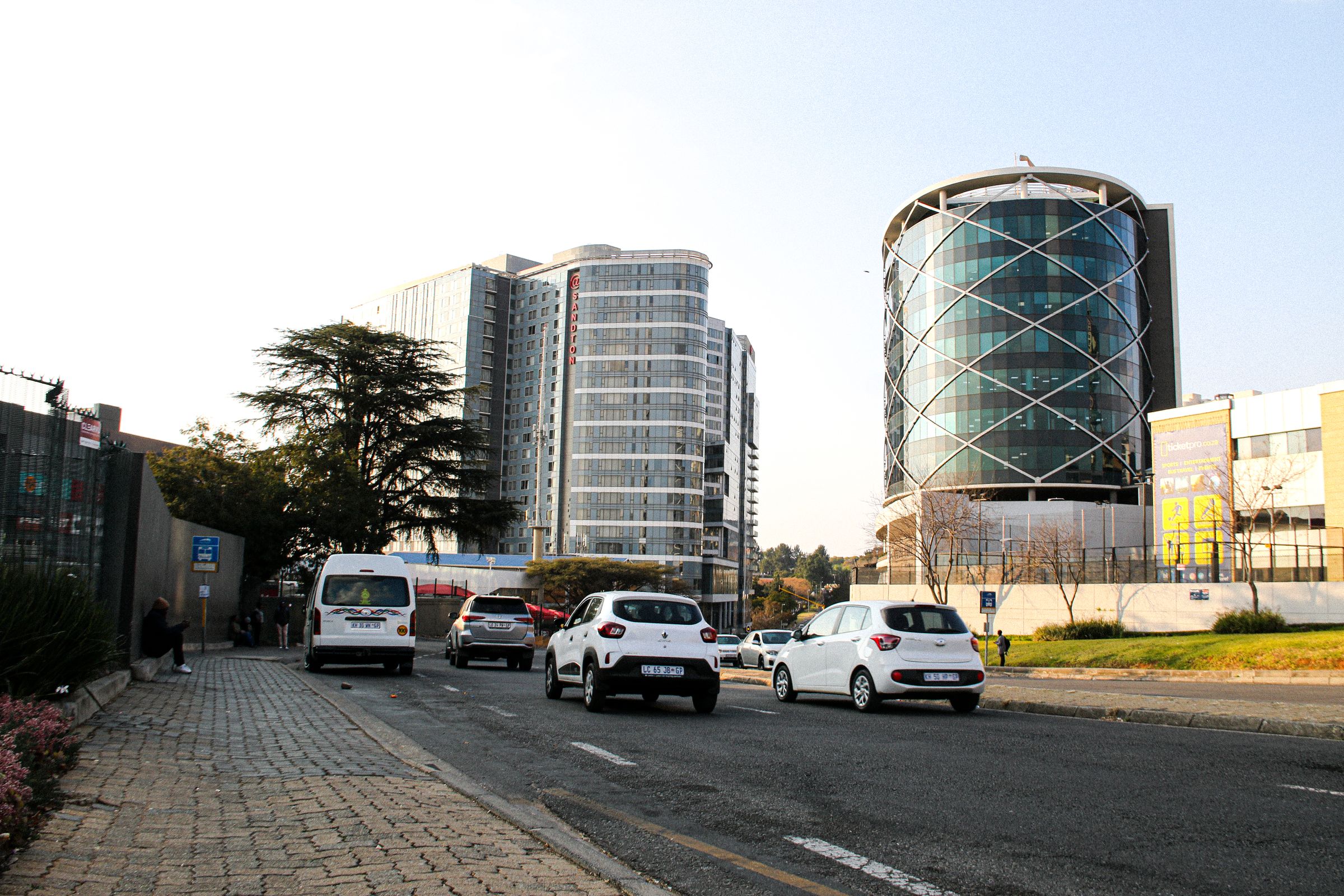
Johannesburg, South Africa’s largest city, has struggled with water shortages, broken streetlights, deteriorating roads and rubbish that is not collected. The Gauteng City-Region Observatory’s 2023/24 Quality of Life survey found that only 24% of Johannesburg respondents were satisfied with local government. The causes are layered: ageing infrastructure, chronic underinvestment and financial problems have all contributed, and many of these failures developed over decades, long before the current political instability. But instability has made accountability harder to pin down, and instability is where the delivery story and the political story collide.
Since the November 2021 municipal elections, Johannesburg has gone through six mayoral terms held by four different people. Mpho Phalatse of the Democratic Alliance and Dada Morero of the African National Congress each returned for a second stint. The turnover reached a remarkable point in January 2023, when Thapelo Amad of Al Jama-ah, a small party founded in 2007 to give South African Muslims a stronger political voice, became mayor despite holding just three seats in a 270-member council. He resigned three months later and was replaced by Kabelo Gwamanda of the same party. Between them, the two men occupied the mayor’s office for more than a year, both elected with the support of larger parties including the ANC and the Economic Freedom Fighters. It was all perfectly legal.
South Africans do not vote directly for mayors. They elect councillors, who then choose a mayor, and when no party wins an outright majority, parties negotiate to decide who governs, through a coalition or a minority arrangement. There is nothing inherently wrong with that system, and coalitions can encourage compromise. But they can also produce arrangements few voters could have anticipated when they cast their ballots, and when several parties have governed the same municipality, responsibility for budgets, decisions and failures becomes difficult to assign. Politicians can blame their coalition partners, their predecessors or officials rather than account for their own decisions.
The scale of the problem extends well beyond Johannesburg. The Mapungubwe Institute for Strategic Reflection, an independent South African think-tank established in 2010, recently published research into coalition and minority governments. It found that 80 of the country’s 213 directly elected municipal councils, almost 38%, had been without a single party holding an outright majority at some point between the 2021 elections and February 2026. Those municipalities went through 175 different governing administrations during that period. As of February this year, 74 municipalities were governed through coalition or minority arrangements. Not every coalition was unstable; some survived for years. But the figures show how much of South Africa’s municipal politics now depends on agreements between parties rather than outright electoral victories. The ANC and DA have been partners in national government since 2024, yet MISTRA found no instance of the two serving together in a municipal governing coalition among the administrations it studied. Smaller parties, meanwhile, can acquire influence far beyond their share of the vote because larger parties need their support.
South Africa has recognised at least part of the problem. Proposed legislation would require formal municipal coalition agreements to be made public and introduce measures intended to improve stability. But Parliament has acknowledged the legislation will not be finalised before Wednesday’s elections, so voters are approaching another municipal vote without those additional rules in place.
Meanwhile, the Johannesburg story has an American echo, though the mechanics differ. Americans vote on Tuesday, the day before South Africans, and are deciding control of Congress among other offices. In Memphis, Tennessee, the Associated Press reported on two neighbours who have lived across the street from one another for a decade but will vote in different congressional districts next week, after the Republican-controlled state legislature redrew electoral boundaries that place them in constituencies stretching across different parts of the state. Neither has moved house. Roughly one in ten potential American voters will now find themselves in a different congressional district from the one they were in during the 2024 election, according to the AP.
Congressional districts are usually redrawn every ten years following the census. This year, nine states are using new maps from an unusual round of redistricting, driven by political advantage in some states and court decisions in others. President Donald Trump encouraged Republican-controlled states to redraw constituencies to improve the party’s chances of retaining control of the House of Representatives, and Democrats in California responded with changes of their own intended to counter Republican gains elsewhere. The new Memphis boundaries divide a predominantly black city that previously formed the core of a single Democratic-held congressional district, spreading residents across three Republican-leaning districts reaching into largely white, rural and suburban communities. Civil rights organisations argue the changes weaken black voters’ ability to elect candidates who represent their interests; Republicans defend the maps as legitimate partisan politics. Redistricting is not necessarily improper, since population changes require boundary reviews, but there is a difference between adjusting boundaries to reflect population and redrawing them to improve one party’s chances.
The comparison is inexact. America’s concern is fair representation within boundaries set before the vote. South Africa’s is accountability after it: coalition government may be necessary when no party wins a majority, but it can obscure who is responsible for decisions made in people’s name. People are challenging both situations. Americans have taken electoral maps to court, and South Africans have spent years demanding answers about the political deals that keep coalitions in power. But a Memphis voter cannot undo new boundaries by marking a ballot, and a Johannesburg voter can punish parties for poor service without knowing which coalition those parties might negotiate after the election. Choosing representatives is only part of democracy. Knowing who makes the decisions that determine what a vote is worth is the other part.
Q&A
What happened to residents of the Hillbrow apartment block, and why did fixing it prove so difficult?
Reuters reported in August that residents spent more than three years without running water, and the hardest question was not when the pipes would be fixed but who, precisely, was responsible for fixing them.
How unstable has Johannesburg's municipal leadership been since 2021?
Between the November 2021 municipal elections and the reporting period, the city went through six mayoral terms held by four different people, including Thapelo Amad of Al Jama-ah, who held just three seats in a 270-member council and resigned after three months.
What did MISTRA research find about coalition government across South Africa?
The Mapungubwe Institute for Strategic Reflection found that 80 of the country's 213 directly elected municipal councils, almost 38%, had no single party holding an outright majority at some point between the 2021 elections and February 2026, with 175 different governing administrations during that period.
Will new coalition legislation be in place before the municipal elections?
Parliament has acknowledged the proposed legislation, which would require municipal coalition agreements to be made public and introduce stability measures, will not be finalised before Wednesday's elections, so voters go to the polls without the new rules in place.