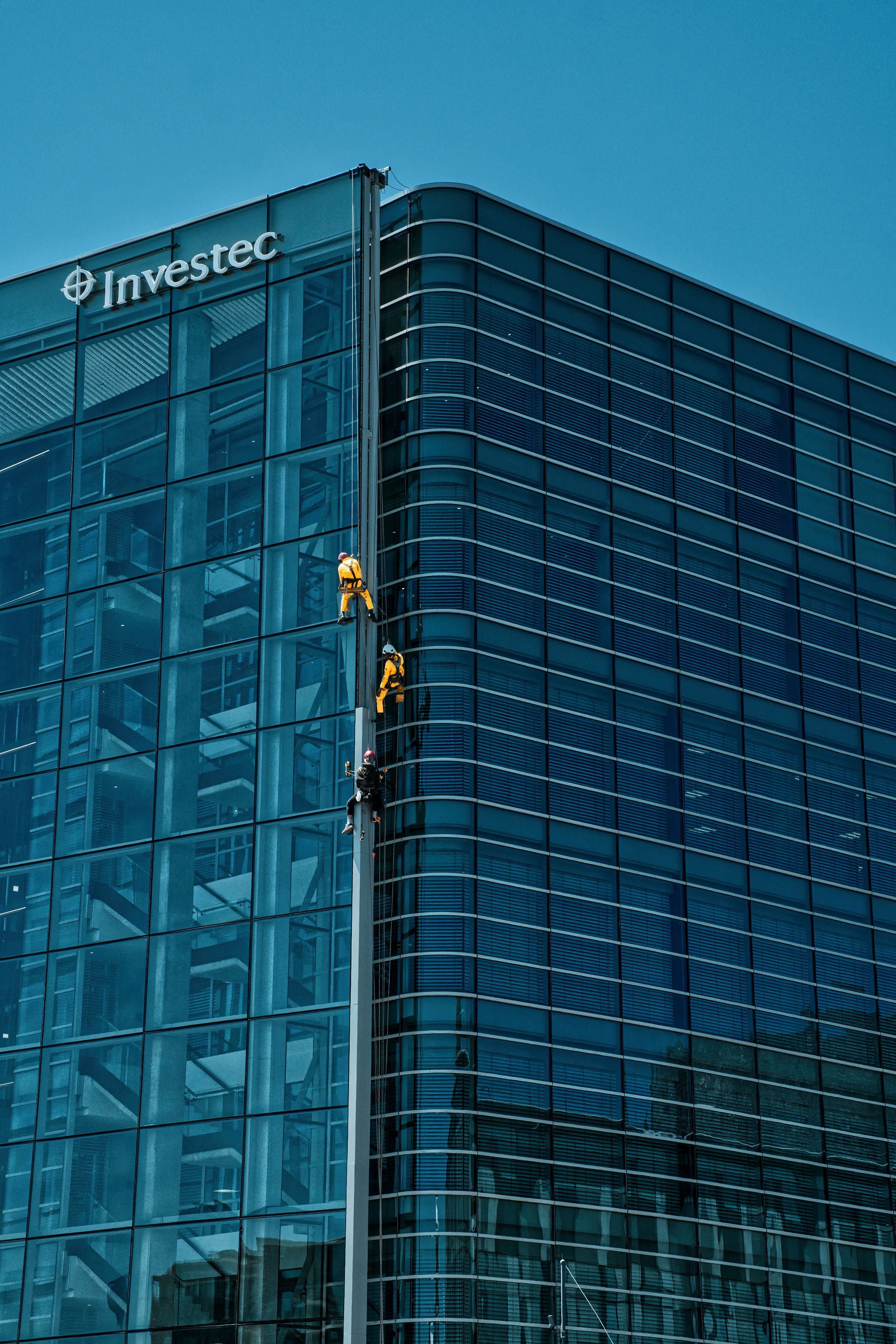
Court gives trustees control of $2mn Porsche in fraud case
Seized luxury vehicle becomes a test of cross-border asset recovery for unpaid lenders
A Florida bankruptcy court has handed control of a Porsche 911, once featured in the 1995 film Bad Boys, to insolvency trustees pursuing assets linked to an alleged fraud scheme that cost South Africa-based lender Investec tens of millions of dollars. The car, estimated at around US$2mn, will be securely stored and insured while broader recovery efforts continue on behalf of creditors.
The ruling matters most to the creditors left behind when the loans went unpaid. It also bears on a wider question of public concern: whether assets allegedly bought with diverted funds can be traced and recovered across borders.
The order came after trustees of Rushil Singh’s insolvent estate told the court they had located the vehicle. They said it was “fraudulently acquired” for US$1.3mn by Singh in 2022, allegedly paid for with funds diverted from an Investec facility. The trustees warned that the black Porsche 911, famous for its appearance in the Michael Bay-directed film starring Will Smith and Martin Lawrence, would be in Miami for only a few days. It was, they said, the first time the vehicle had been found in the US, and it was at “immediate risk of disappearing again”.
The Florida court entrusted administration of the car to the trustees and instructed them to store and insure it securely. The order did not determine title to the vehicle or establish liability for any fraud.
According to US court documents filed last week, Investec, headquartered in South Africa, provided financing of around US$32mn to Singh and his sister, the late Nishani Singh, between 2016 and 2021. The facilities were intended to provide working capital for projects in Ghana, including road and hospital construction contracts agreed with the country’s government, to be carried out by the Singhs’ Big Business Innovations Group. Documents from separate proceedings in South Africa indicate that when the loans were not repaid, Investec called on guarantees purportedly issued by Stanbic’s Ghanaian unit. Stanbic said those guarantees had been forged.
The trustees have since alleged that the siblings diverted proceeds to their personal accounts “to support their extravagant lifestyle”, including the purchase of several luxury vehicles.
Rushil Singh, who is currently imprisoned but has not faced trial, has denied the allegations. In a 2025 bail application he said the fraud had been committed by his sister, who died in prison the previous year, though a South Africa High Court judge found his claims were “improbable”.
Bay, the director, once owned the car himself but sold it to a friend for US$60,000 long before Singh’s purchase, according to a post on Instagram.
A spokesperson for Investec told GTR: “This is a complex case spanning several jurisdictions and encompassing numerous civil claims and criminal proceedings. The trustees are actively pursuing recovery of money due to creditors and are working with the relevant authorities.” Representatives for the trustees declined to comment when contacted, and Rushil Singh’s representatives could not be reached. Further details of the case are reported at https://www.gtreview.com/news/africa/court-allows-seizure-of-bad-boys-porsche-linked-to-alleged-fraud-scheme-against-investec/.
How much of the roughly US$32mn the creditors ultimately recover, and from where, may now depend on whether the car stays within reach.
Q&A
What did the Florida court decide?
It entrusted administration of the Porsche 911 to insolvency trustees, instructing them to store and insure it securely. The order did not determine title to the vehicle or establish liability for any fraud.
Who does the case affect most directly?
The creditors left behind when the loans went unpaid. Investec provided roughly US$32mn in financing between 2016 and 2021 for projects in Ghana, and recovery efforts are being pursued on behalf of creditors.
What was the financing supposed to fund?
Working capital for projects in Ghana, including road and hospital construction contracts agreed with the country's government, to be carried out by the Singhs' Big Business Innovations Group.
Has anyone been found liable for the fraud?
No. Rushil Singh, currently imprisoned but not yet tried, has denied the allegations and blamed his late sister. A South Africa High Court judge found his claims improbable, but the Florida order did not establish liability.