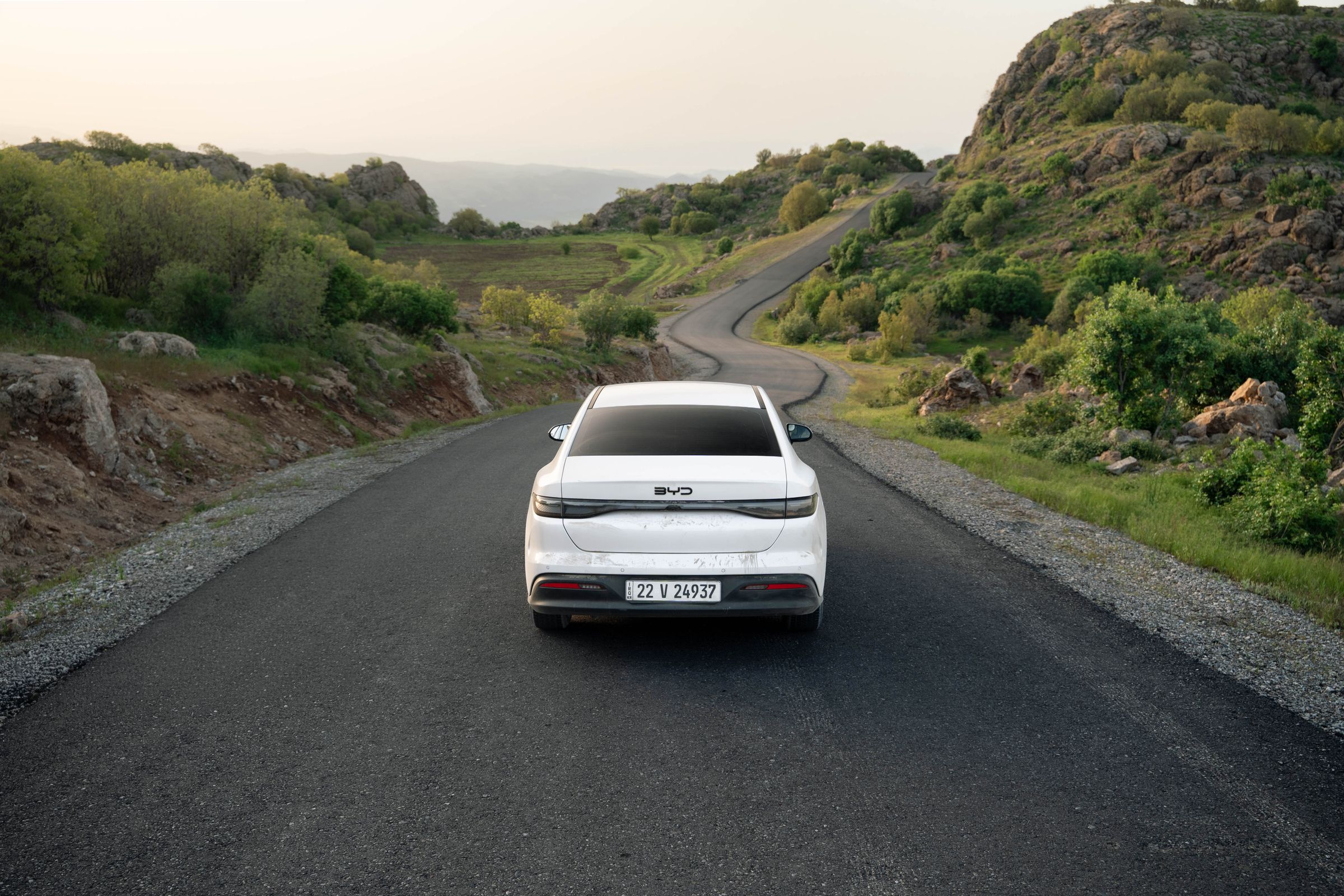
EU Court Ruling Puts Car Design Rules to the Test
Dutch court bans BYD's Defender-like Ti7 from EU sale and Hungarian production
For European car buyers, the case of the BYD Ti7 raises a question that goes beyond one SUV: what designs can the public expect to see on showroom shelves, and who decides when a vehicle looks too much like another? A court in the Netherlands has now answered part of that question, banning the Chinese carmaker from selling its seven-seater in the European Union after Jaguar Land Rover argued the model copied its Defender.
The ruling came from the district court in The Hague, which found in summary proceedings that the Ti7 infringes the EU design of Jaguar Land Rover. “The characteristic and distinctive elements of the design are reflected in the BYD Ti7,” the preliminary relief judge ruled. The ban takes effect one week after Friday’s judgment.
The dispute began earlier this year, when BYD announced on its website that it was taking orders from UK customers for the plug-in hybrid SUV. Jaguar Land Rover launched legal action in response. Earlier this month, bailiffs acting for the company were reported to have seized digital records from BYD’s offices.
The court noted that BYD “currently has no concrete plans to place the Ti7 on the market in the EU”, but the judge nonetheless imposed the ban. The court also ruled it had no jurisdiction over BYD’s activities in the UK, where the Ti7 has gone on sale for £47,995, more than £20,000 cheaper than the Defender, with deliveries due from January 2027.
The Hungarian dimension of the ruling may matter most for European consumers. The court banned BYD from producing the vehicle at its new factory in Szeged, expected to start making cars at the end of 2026, until the intellectual property case is resolved. That provision effectively blocks a European production line for the model while the wider case proceeds.
The Ti7 has been on sale in China since last September, and motoring experts have long drawn comparisons with the Land Rover Defender. The BBC’s Top Gear magazine called it the “Chinese Defender clone”. BYD’s own website describes the vehicle in terms that underline the similarity of appeal: “An unapologetically boxy profile delivers the imposing, chunky design that finds favour among SUV buyers, yet delivers a contemporary look.”
The Defender at the centre of the dispute is no niche product. Jaguar Land Rover’s seven-seat model is one of the UK’s bestselling cars and the company’s most popular model. The UK-based carmaker, owned by India’s Tata Motors, sold 29,500 Defenders to retail customers between July and September this year, an increase of more than 4,000 on the same period a year earlier.
Jaguar Land Rover said in a statement: “We protect our intellectual property and take legal action when necessary. Legal proceedings are ongoing and we won’t be commenting further at this time.”
BYD, for its part, said it “strongly disagrees” with the ruling and will appeal. “The BYD Ti7 is the result of BYD’s own independent design work and infringes none of JLR’s rights,” the company said. “We will pursue every legal avenue to demonstrate that this decision is incorrect.”
The case is notable for what it may signal about the wider market. Many traditional carmakers have complained for some time that Chinese competitors have copied their designs, but until now little has been tested in court, and it remains relatively rare for European automakers to litigate over design rights. There is precedent, however: Jaguar Land Rover previously won a case in 2019 to stop Jiangling Motors Corporation selling a copycat vehicle, after a three-year court battle.
For now, buyers in the EU will not see the Ti7, and its planned Hungarian production is on hold. The appeal will determine whether that remains the case.
Q&A
What did the court in The Hague decide about the BYD Ti7?
The district court in The Hague, in summary proceedings, found that the Ti7 infringes Jaguar Land Rover's EU design, ruling that the characteristic and distinctive elements of the design are reflected in the BYD Ti7.
What does the ban mean for European consumers?
It bans BYD from selling the Ti7 in the EU and from producing it at its new factory in Szeged, Hungary, expected to start making cars at the end of 2026, until the intellectual property case is resolved. The ban takes effect one week after the judgment.
How has BYD responded to the ruling?
BYD said it strongly disagrees with the ruling and will appeal, stating the Ti7 is the result of its own independent design work and infringes none of JLR's rights, and that it will pursue every legal avenue.
What happens with the Ti7 in the UK?
The court ruled it had no jurisdiction over BYD's activities in the UK, where the Ti7 has gone on sale for £47,995, more than £20,000 cheaper than the Defender, with deliveries due from January 2027.