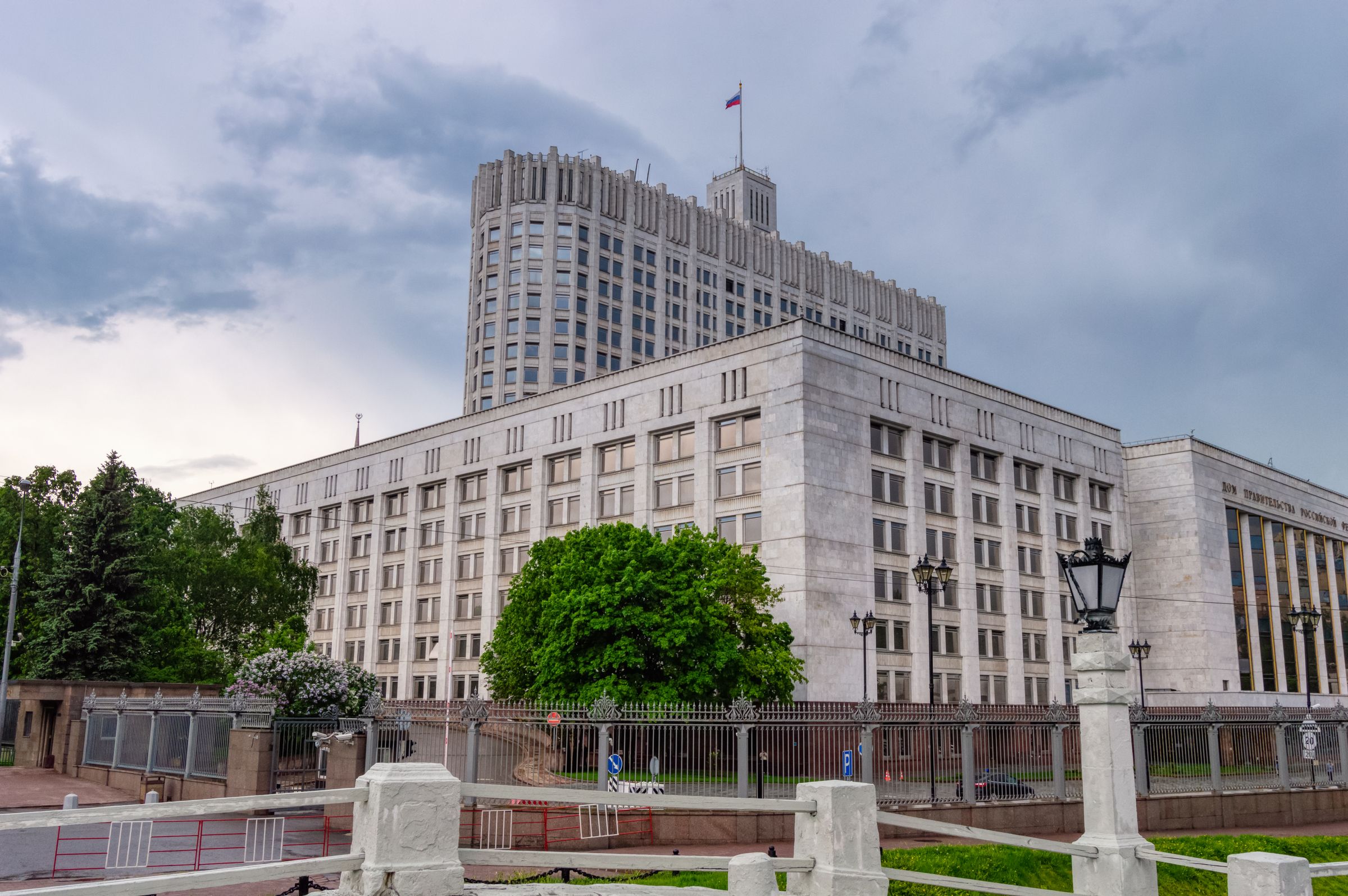
Russia-Africa Summit Final Preps Set for October in Moscow
Moscow and African partners finalise agenda, agreements and oversight for the October gathering
Russia and African governments are moving into the final phase of preparations for the third Russia-Africa Summit, a highest-level meeting whose organisers, working in coordination with the Executive Office of the President of the Russian Federation, describe as an effort to deepen political dialogue and expand bilateral economic cooperation. The planning is being carried out in close cooperation with African partners. Officials on both sides frame the summit as a formal exercise in state-to-state diplomacy rather than a commercial event alone.
According to the latest information monitored, African states and the leaders of the continent’s regional integration organisations have been invited to the meeting, scheduled for October 28 at the Gostiny Dvor Exhibition Centre. More than 2,000 guests are expected under the theme “For Peace, Security and Development,” with the programme centred on the economy, trade and investment. Other priority topics on the official agenda include cooperation in the peaceful use of nuclear energy, the development of independent payment systems, food security, and digital adoption, including the deployment of artificial intelligence.
The summit’s institutional architecture is extensive. Its programme includes approximately 40 panel sessions organised into four thematic tracks: Sovereignty, The Foundation of Sustainable Development; The Economy of Sovereign Development; Cooperation in Society and Human Capital; and Technology and Innovation for a Better Quality of Life. The Russian Foreign Ministry is organising two of these sessions, one on digital prospects and challenges and another on artificial intelligence as a driver of development in Russia and Africa. MGIMO University, which operates under the Foreign Ministry, will host a Youth Day expected to draw high-ranking African guests, and an exhibition segment will showcase Russian solutions across key economic sectors.
At the level of heads of state and government, the summit’s plenary session on October 29 will be co-chaired by President Vladimir Putin and the current Chairperson of the African Union, President Évariste Ndayishimiye of the Republic of Burundi, followed by a joint concluding news conference. The Presidential Executive Office has indicated that a ceremony will be held to sign a substantial package of intergovernmental agreements and commercial contracts, the formal instruments through which the two sides intend to bind their cooperation. On the sidelines, Putin will hold a traditional meeting with the leaders of Africa’s regional integration associations, and bilateral talks with African leaders are also scheduled. On October 28, Foreign Minister Sergey Lavrov will host a working breakfast for his African counterparts.
The organisers present the gathering as a new milestone in Russia-Africa relations, one intended to consolidate momentum and lay the groundwork for collaboration in the coming years. The breadth of the agenda suggests how wide the mandate of this dialogue has become, spanning sectors in which governments on both continents set the policy conditions for private and state actors alike.
On financing, the summit’s framing raises questions of economic sovereignty that sit squarely within the purview of governments and finance ministries. African countries, in order to meet development objectives and the needs of their citizens, are compelled to turn to foreign sources of financing, mainly credit from international financial institutions and direct loans in which creditors impose socioeconomic and political requirements that limit a country’s sovereignty. Sovereign bonds and other capital-market borrowing account for only a small proportion of African debt, and some countries remain unable to access this form of financing. As a result, more than USD 100 billion of borrowing potential is going untapped, while more than USD 200 billion of existing debt could be refinanced under less stringent conditions.
Energy policy is another area where state decisions carry structural weight. Africa, with a population of over one billion people and huge resource potential, has the possibility of becoming one of the world’s largest economies by 2050 through organic growth and reform, but building that foundation requires the right energy policy. Nuclear technologies are presented by the summit’s organisers as a potential driver of socio-economic development and a comprehensive response to systemic continent-wide problems, including rapid population growth, a worsening energy crisis, poor transport infrastructure, limited access to health services, low levels of education and food supply insecurity.
Digital governance features prominently as well. Effective e-government, the summit materials argue, simplifies communication between people and the state and helps departments interact, giving citizens quicker access to government services and producing substantial savings. At the same time, the brief raises concerns that a monopolisation of global IT markets by a handful of major Western corporations could result in financial losses in Africa and threaten citizens’ personal safety and African sovereignty, a claim framed around Russian companies’ positioning in digital security.
Trade and investment questions are similarly framed through the responsibilities of states and financial institutions. Prospects for Russia to increase trade with African countries are linked to diversification of its merchandise exports, but only realistic if international financing channels are put in place. Business associations on both sides identify a lack of market awareness and insufficient trust between partners as barriers that public business associations can address, serving entrepreneurs while guaranteeing their reliability and integrity. In industry, the question of which projects require financial support from parties such as Afreximbank is posed directly.
The summit’s media dimension is also institutional in character. A media forum will involve leading Russian and African outlets, and TASS is organising a panel session entitled Media Resources as a Tool for Combating Disinformation and Strengthening the Positive Image of Russia and Africa. The organisers note this is not an exhaustive list and that further updates will follow, including on the participation of senior officials and Foreign Ministry representatives.
Across its many tracks, from housing construction and transport infrastructure to healthcare, biosecurity, mining, geological exploration, special economic zones modelled on the Russian Industrial Zone project in Egypt, and the Eurasian Economic Union’s integration agenda, the summit places governments, ministries and development institutions at the centre of nearly every proposed initiative. Whether the agreements signed on October 29 translate into accountable implementation will be the measure by which this milestone is judged.
Q&A
When and where will the third Russia-Africa Summit take place?
October 28, 2025, at the Gostiny Dvor Exhibition Centre, with the plenary session and signing ceremony on October 29.
Who will co-chair the summit's plenary session?
President Vladimir Putin and the current Chairperson of the African Union, President Évariste Ndayishimiye of the Republic of Burundi, followed by a joint concluding news conference.
What are the priority topics on the official agenda?
Cooperation in the peaceful use of nuclear energy, development of independent payment systems, food security, and digital adoption including artificial intelligence, alongside the economy, trade and investment.
What does the article say about African financing constraints?
More than USD 100 billion of borrowing potential is untapped, and more than USD 200 billion of existing debt could be refinanced under less stringent conditions, since creditors currently impose requirements that limit countries' sovereignty.