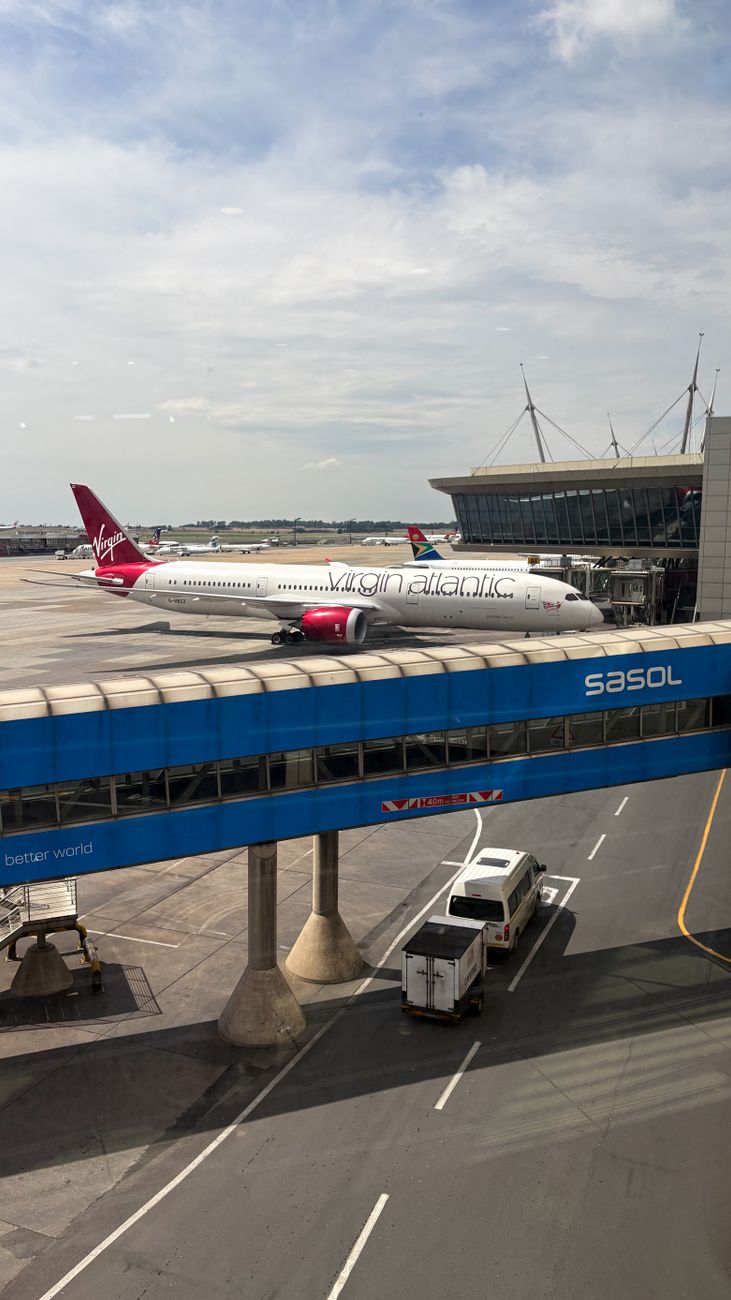
Regional Trade Route at Risk as Mozambique Crisis Halts Southern Africa Freight
Political turmoil and insurgency threaten critical supply chains linking South Africa to Mozambican ports and resources.
Mozambique’s Maputo Corridor carried that lesson in 2024. When disputed election results triggered political violence and protests, freight trucks stopped moving along the vital route linking South Africa’s industrial base to the Mozambican coast. A connection most South Africans never think about suddenly mattered enormously.
The economic stakes embedded in that corridor are now under pressure from multiple directions at once. Opposition leader Venâncio Mondlane has taken allegations of ongoing political violence to European lawmakers in Strasbourg and faces trial at home on charges connected to post-election unrest. Simultaneously, the Islamist insurgency that has ravaged northern Mozambique is showing signs of geographic expansion, with militants attacking a hunting camp in Niassa province this month and abducting a South African worker among others.
The 2024 election itself exposed deep structural problems with consequences for investor confidence. Mondlane ran against Daniel Chapo, the candidate of Frelimo, the party governing Mozambique since 1975. Chapo was declared winner; Mondlane rejected the result. A European Union election observation mission subsequently documented serious flaws, reporting anomalies and errors in counting and tabulation, severe lack of transparency, and integrity problems with voter registration. The post-election violence killed more than 300 people, according to the EU mission, which called on authorities to protect freedom of assembly and peaceful protest.
Mondlane’s European engagement has revived scrutiny of where EU money goes. He did not address the European Parliament directly, contrary to some social media claims, but several Members of the European Parliament expressed concern about Mozambique’s situation and called for greater scrutiny of European funding. The financial exposure is real. The EU provides development and humanitarian assistance and runs security operations in the country’s north. This year it allocated 24.5 million euros, roughly 458 million rand, in humanitarian assistance for the close to 1.6 million people estimated to need help in northern Mozambique alone.
The economic threads running south from Mozambique into South Africa are older and thicker than the current crisis suggests. For more than two decades, natural gas from Mozambique’s Pande and Temane fields has travelled through an 865-kilometer pipeline to Secunda, supplying Sasol’s operations and South African industry. That largely invisible supply chain remains functional only when political and security conditions permit. An International Monetary Fund mission visited Mozambique earlier this month for discussions about reforms that could pave the way for a fund-supported programme. The IMF has stated plainly that Mozambique faces significant fiscal and external challenges requiring further reforms, a signal to investors that the country’s financial footing remains uncertain.
Migration data adds another layer of economic and social pressure. Mozambicans have moved to South Africa to live and work for generations, with families stretched across the border. Between November 28 and December 20, 2024, that movement intensified noticeably. The International Organization for Migration recorded 2,122 people crossing toward South Africa through the Ressano Garcia border post and noted the actual figure was probably higher. Greater instability would not automatically produce mass movement, but the trend signals that consequences extend well beyond infrastructure and investment.
By contrast, the security picture in the north offers little reassurance. Mozambique continues to grapple with the Islamist insurgency in Cabo Delgado, which has displaced hundreds of thousands of people. Its apparent movement into Niassa province suggests the conflict is neither static nor contained within its traditional zones, a development that raises the risk profile for any operator or investor with exposure in the region.
The European debate about Mozambique’s political and economic trajectory carries direct consequences for South Africa. If the EU changes how it funds Mozambique, attaches tougher conditions to assistance, or reconsiders parts of its support, cascading effects on the country’s fiscal position and project financing become plausible. The documented allegations of political violence explain why European lawmakers are asking where their money goes and how it is used.
Investors must be willing to invest. Roads must remain open. Trucks must cross borders. Gas must flow south. South Africa cannot treat Mozambique’s stability as someone else’s problem, because the borders contain far less than most assume. The open question is how much disruption must accumulate before that calculation forces itself onto the agenda.
Q&A
What critical infrastructure connects South Africa's industrial base to Mozambique's coast and what disrupted it in 2024?
The Maputo Corridor, a vital freight route linking South Africa to the Mozambican coast, was halted when disputed election results triggered political violence and protests in 2024.
What are the economic stakes embedded in Mozambique's natural resource exports to South Africa?
Natural gas from Mozambique's Pande and Temane fields travels through an 865-kilometer pipeline to Secunda, supplying Sasol's operations and South African industry, remaining functional only when political and security conditions permit.
How much EU funding is at stake and what conditions triggered scrutiny of its use?
The EU allocated 24.5 million euros (roughly 458 million rand) in humanitarian assistance this year for northern Mozambique, with scrutiny intensifying after election observation missions documented serious flaws and post-election violence killed more than 300 people.
What does the IMF assessment signal about Mozambique's investment environment?
The IMF stated that Mozambique faces significant fiscal and external challenges requiring further reforms, signaling to investors that the country's financial footing remains uncertain and affecting project financing viability.