Commonwealth Lawmakers Demand Actionable Outcomes Over Empty Promises at Cape Town Summit
Parliamentary delegates demand concrete implementation over ceremonial commitments at Commonwealth gathering
CAPE TOWN INTERNATIONAL CONVENTION CENTRE — Delegates arriving at the 69th Commonwealth Parliamentary Conference have made one expectation clear from the outset: results, not rhetoric.
Kirk Cornish, representing the Bahamas, framed the gathering as a direct investment in cross-national legislative learning. The conference’s value, he argued, lies in the exchange of experience among parliamentarians from Commonwealth nations at different stages of institutional development. Cornish said he anticipated productive and meaningful dialogue with legislators across the membership, with particular interest in how longer-standing member nations have navigated shared governance challenges.
Shri Satyabrata Rout, representing the Odisha Legislative Assembly in India, echoed that tone. He expressed hope that discussions would unfold in a collaborative spirit, fostering dialogue and cooperation that strengthens internationalism across Commonwealth countries. Rout also commended the Parliament of South Africa on the logistical execution of the conference, suggesting the host institution has set a professional standard for the event.
The sharpest voice on accountability came from inside the host legislature itself. Ms Faith Muthambi, a Member of the National Assembly of the Parliament of the Republic of South Africa and Chairperson of the Portfolio Committee on Health, issued a pointed warning: the conference must not become what she called “another talk shop.” Her caution reflects a broader institutional anxiety, one familiar to multilateral forums everywhere, that high-level parliamentary gatherings sometimes conclude without meaningful follow-through on agreed positions.
That concern ran as a thread through all three sets of remarks. The three delegates were interviewed by a CPC News Bulletin reporter ahead of substantive conference sessions, and their comments converged on a single point: the legitimacy of multilateral parliamentary forums depends not merely on the quality of dialogue but on whether member legislatures actually implement the decisions and recommendations that emerge.
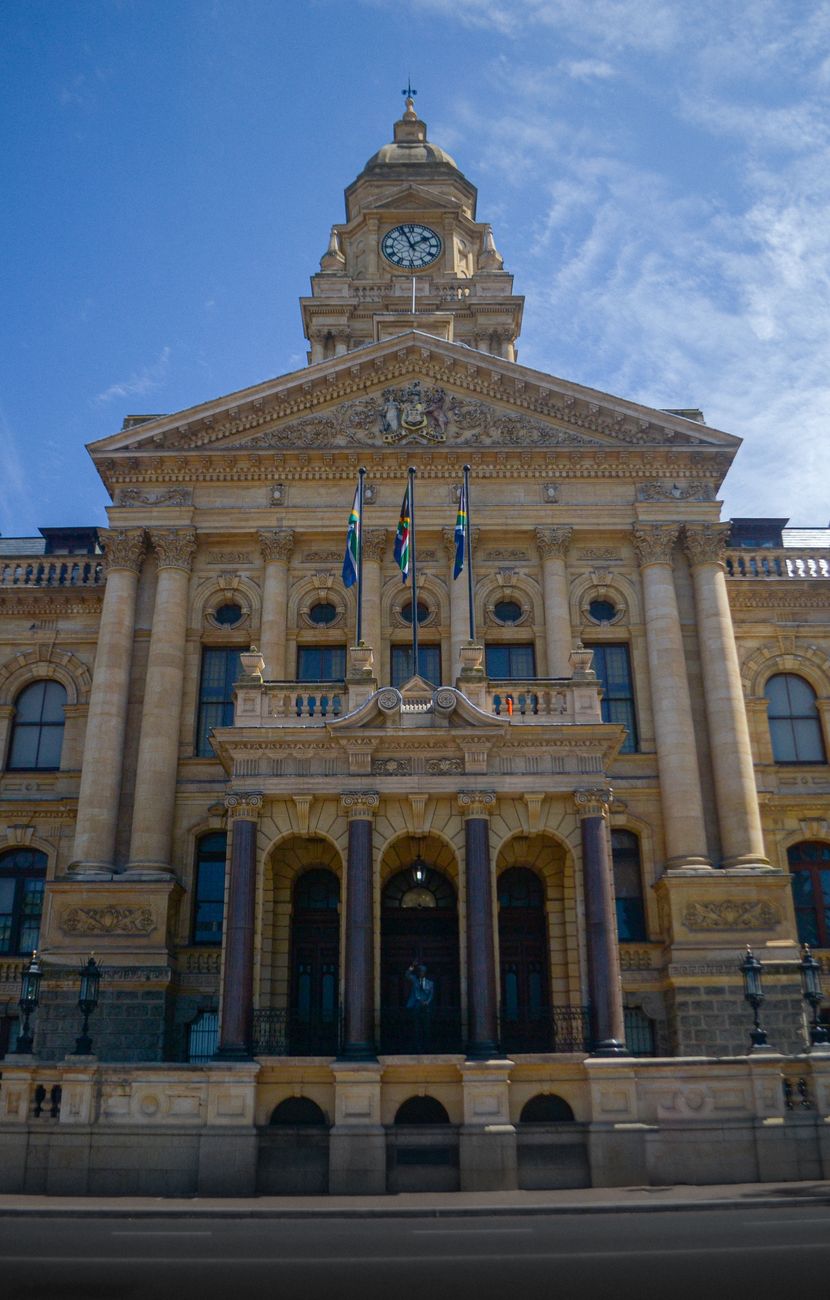
Cape Town’s selection as host city has itself drawn comment from participants, who see it as a signal of the southern African parliament’s geographic and institutional weight within Commonwealth structures.
The conference agenda covers governance, development, and policy topics relevant to member states, though delegates did not detail specific agenda items in their preliminary remarks. Whether the implementation language that dominated early conversations will carry through into the conference’s formal resolutions, and whether those resolutions will produce durable policy change at the national level, remains the open question as substantive sessions get underway.
Q&A
What specific concern did Faith Muthambi raise about the conference's potential outcomes?
Muthambi warned that the conference must not become 'another talk shop,' expressing concern that high-level parliamentary gatherings sometimes conclude without meaningful follow-through on agreed positions.
How did Kirk Cornish characterize the value of the Commonwealth Parliamentary Conference?
Cornish framed the gathering as a direct investment in cross-national legislative learning, emphasizing the value of exchanging experience among parliamentarians from Commonwealth nations at different stages of institutional development.
What convergence point emerged from the three delegates' preliminary remarks?
All three delegates converged on the point that the legitimacy of multilateral parliamentary forums depends not merely on dialogue quality but on whether member legislatures actually implement the decisions and recommendations that emerge.
What does Cape Town's selection as host city signal to conference participants?
Participants view Cape Town's selection as a signal of the southern African parliament's geographic and institutional weight within Commonwealth structures.