Flood and Drought Taskforce to Tighten UK Delivery Oversight
New taskforce meets to assess winter flood readiness and drought lessons
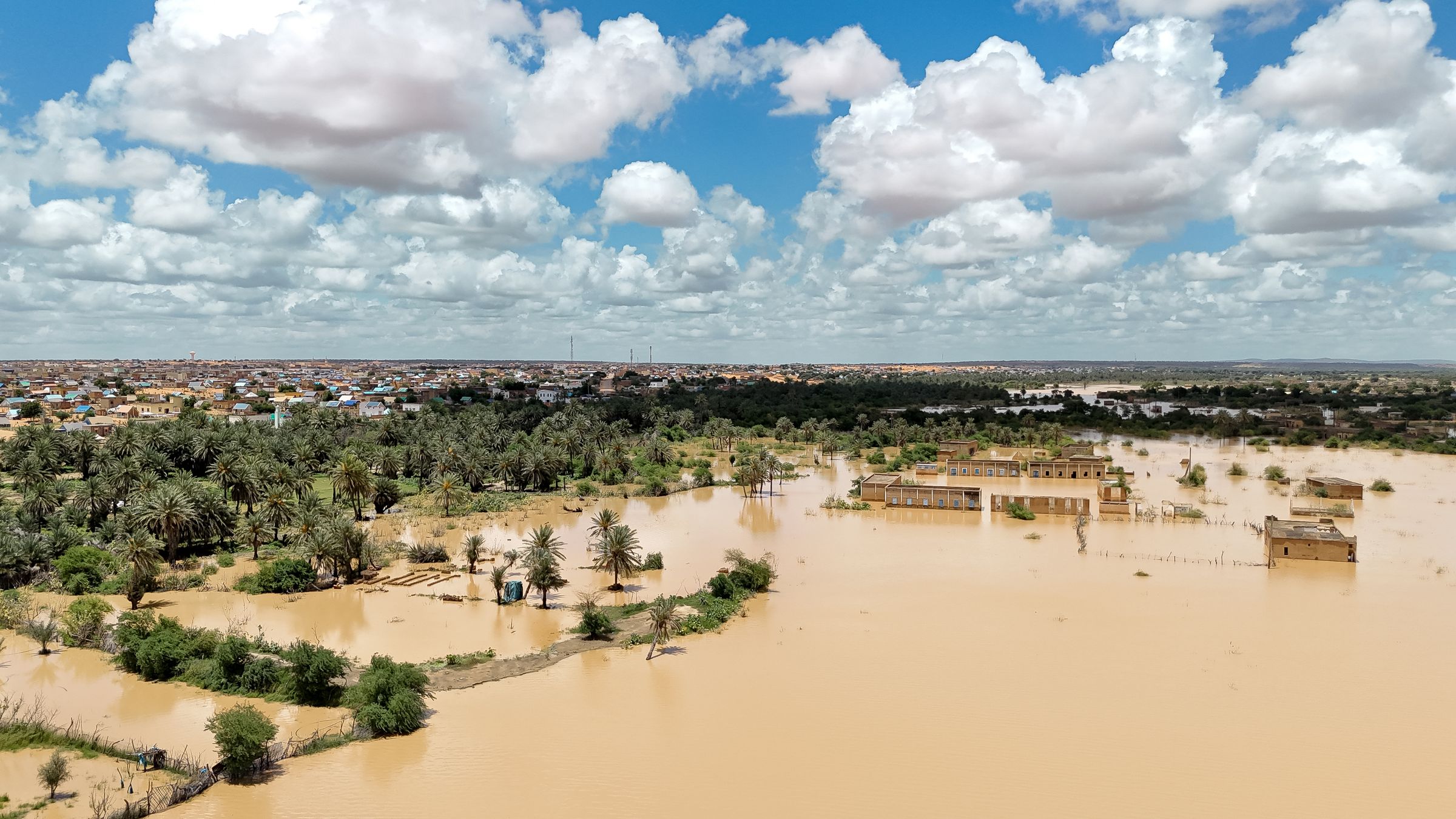
Britain’s flood and drought defences now sit under a single operational umbrella. The government launched a new Flood and Drought Resilience Taskforce this week to tighten oversight of how the country plans for and responds to extreme weather.
The body meets for the first time on Wednesday, 14 October 2026. Around the table will be Floods and Drought Minister Emma Hardy and representatives from more than 50 organisations, spanning the Environment Agency, the Met Office, mayoral authorities, Fire and Rescue Services, and the farming, water and insurance industries. The grouping is designed to connect the operators who deliver flood defence and water management with those who assess risk on the ground.
The timing reflects a demanding delivery year. A wet winter gave way to a long, hot summer that produced the nation’s third drought in five years and the driest July in almost two centuries. A more intense and wetter winter is now anticipated, and the taskforce’s first agenda is squarely operational: assessing the country’s preparedness for potential flooding this winter, which the government says is better than last year, reviewing how members have improved their response, and drawing out emerging learnings from the ongoing drought to see where resilience to both hazards can be strengthened.
Delivery on the ground is already under way through what the government describes as the largest flood defence programme in English history. At least £10.5 billion has been committed between 2024 and 2036 to protect homes, businesses and critical infrastructure from the growing threat of flooding. In 2026/27 alone, £1.4 billion is being spent on building and repairing flood defences. Every £1 invested prevents around £8 in economic damage.
Minister Emma Hardy framed the taskforce as part of a smarter, more joined-up approach to managing the nation’s water. “We’re facing extreme weather, with flood and drought intertwined, but the government is taking decisive action,” she said. “This will put communities and businesses at the heart of our work and will make sure the UK is ready for whatever the weather brings next.” She also pointed to what she called historic investment, including £4.2 billion for existing and new flood defences that will protect more people in the years ahead.
A distinctive feature of the new body is its emphasis on community input. The voices of people affected by both flooding and drought will sit at the centre of its work, through direct engagement and the inclusion of more community-based groups, so that lived experience feeds into future policy development rather than remaining outside the planning process.
Meanwhile, the taskforce is not replacing existing machinery. It will complement the National Drought Group, which continues to coordinate and oversee the operational response to drought. Strong links will be maintained between the two, with the National Drought Group’s expertise and insights informing the taskforce’s work on strategic resilience and preparedness. In effect, the new group sits above day-to-day operations, focusing on longer-term strategy while the drought group keeps handling the running response.
Response to the current drought has already prompted a set of practical interventions. Water companies have been held to account to reduce leaks, farmers have received a £65 million funding boost to build resilience, and the rules have been changed to make building on-site reservoirs easier.
The taskforce’s remit goes beyond immediate readiness. Members will share expertise across the full chain of delivery, from understanding risks and assessing preparedness to supporting a longer-term resilience strategy for floods and drought, work intended to protect both communities and the economy. Whether the structure closes the gap between planning and outcomes will be tested first this winter, when the preparedness assessment discussed at Wednesday’s inaugural meeting meets whatever the weather actually delivers.
Q&A
When does the Flood and Drought Resilience Taskforce first meet, and who attends?
It meets for the first time on Wednesday, 14 October 2026, with Floods and Drought Minister Emma Hardy and representatives from more than 50 organisations, including the Environment Agency, the Met Office, mayoral authorities, Fire and Rescue Services, and the farming, water and insurance industries.
What is on the taskforce's first agenda?
Assessing the country's preparedness for potential flooding this winter, which the government says is better than last year, reviewing how members have improved their response, and drawing out emerging learnings from the ongoing drought to strengthen resilience to both hazards.
How does the taskforce relate to the National Drought Group?
It does not replace existing machinery. The National Drought Group continues to coordinate and oversee the operational response to drought, while the taskforce sits above day-to-day operations and focuses on longer-term strategy, with strong links maintained between the two.
What funding supports flood and drought resilience?
At least £10.5 billion has been committed between 2024 and 2036 for flood defences, with £1.4 billion being spent in 2026/27. Minister Emma Hardy also cited £4.2 billion for existing and new flood defences, and farmers received a £65 million funding boost to build drought resilience.